Printable Pet First-Aid Cheat Sheet for Emergencies
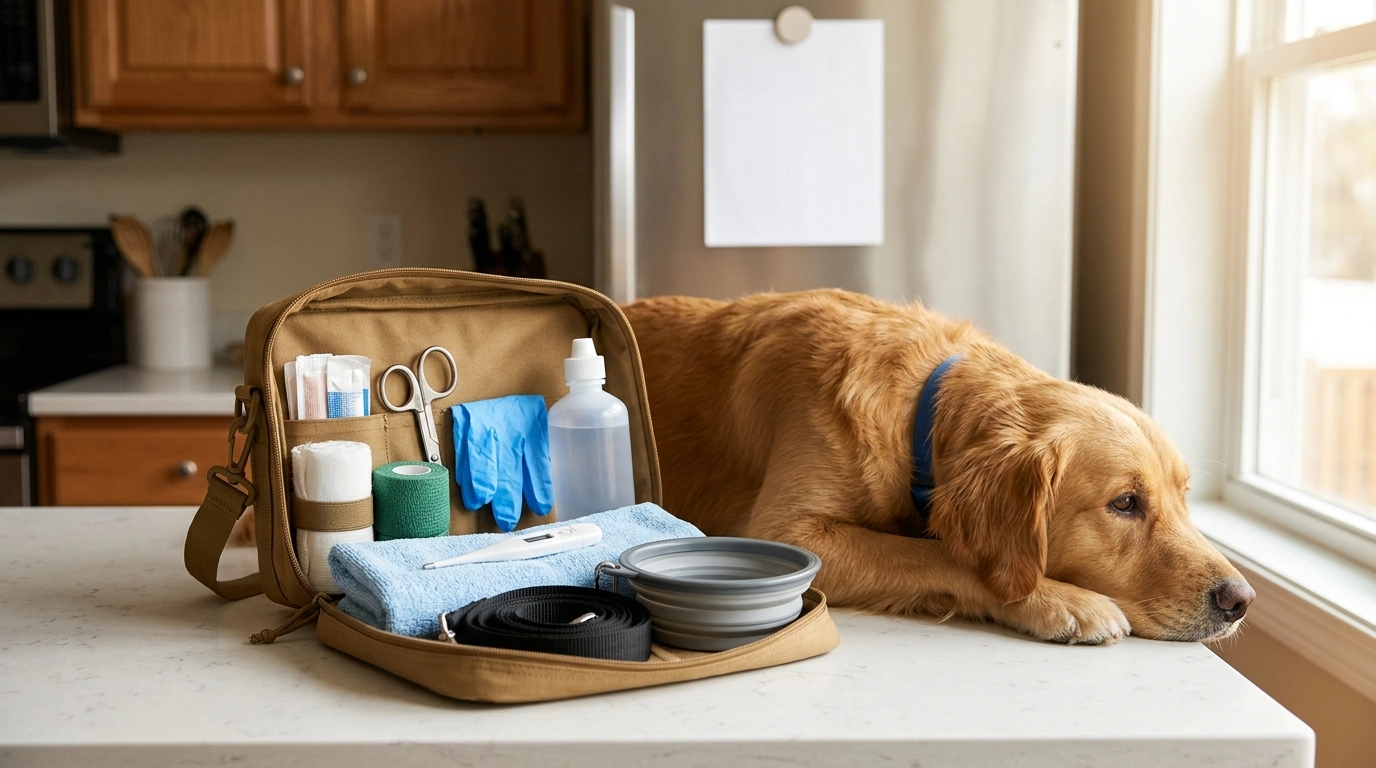
Must-Know Pet First-Aid Cheat Sheet: A Printable Emergency Guide for Pet Owners
Emergencies with pets move fast—choking, bleeding, heatstroke, toxin exposure, or a sudden collapse can turn into a critical situation in minutes. A clear, printable cheat sheet keeps steps simple under stress: what to do right away, what not to do, and when to call a veterinarian or emergency clinic. Keep one near the leash, one in the car, and one on the fridge so you’re not trying to remember details when seconds matter.
What to Do First in Any Pet Emergency
- Stay safe first: Scan for hazards before approaching—traffic, smoke, water, electricity, broken glass, or a pet that may bite from pain.
- Use calm restraint: Leash a dog if possible; for cats or small pets, use a towel wrap or blanket. Consider a soft muzzle only if breathing is normal and your pet is not vomiting.
- Do a quick check: Look for effective breathing, gum color (pink is ideal), severe bleeding, obvious fractures, and level of consciousness.
- Call ahead: Phone your veterinarian or the nearest ER clinic before you leave. They can give immediate instructions and prepare for your arrival.
- Transport smart: Keep your pet warm and as still as possible; use a firm surface (board, sturdy panel, or a thick cutting board for small pets) if a spinal injury is possible.
Printable Cheat Sheet: Grab-and-Go Steps to Post at Home and Pack in the Car
A cheat sheet works best when it’s truly “grab-and-go.” Keep copies in three places: the fridge, the glove box, and your pet travel kit. Write in key numbers (primary vet, nearest 24/7 ER, and poison control), plus your pet’s basics: weight, medications, allergies, microchip number, and chronic conditions like seizures, heart disease, or diabetes.
Also add a quick “no-go” list: never give human painkillers unless a veterinarian directs you; don’t induce vomiting unless told to; and don’t force water if your pet is vomiting or not fully alert.
If you want a ready-to-print layout you can fill in and post immediately, use the Must-Know Pet First-Aid Cheat Sheet (printable emergency guide) and keep a copy with your kit.
Emergency Quick Actions (Post This)
| Situation | Do Right Away | Call/Go Now If |
|---|---|---|
| Trouble breathing | Keep calm; open airway; remove collar/harness if tight; keep cool and still | Blue/gray gums, collapse, noisy breathing, choking, suspected drowning |
| Heavy bleeding | Apply firm pressure with clean cloth; add layers; do not remove soaked layers | Bleeding won’t slow in 5–10 min, blood spurting, pale gums, weakness |
| Choking | If visible and easy, gently remove; if not, seek urgent help | Cannot breathe, pawing at mouth, turning blue, collapse |
| Suspected poisoning | Remove access; save packaging; call poison hotline/vet | Any neurologic signs, repeated vomiting, tremors, seizures, exposure to unknown toxin |
| Heatstroke | Move to shade; cool with tepid water; fan; offer small sips if alert | Panting that won’t stop, vomiting, collapse, rectal temp ≥104°F (40°C) |
| Seizure | Clear area; time it; do not restrain; keep hands away from mouth | Lasts >5 min, clusters, first-ever seizure, trouble breathing after |
Build a Pet First-Aid Kit That Matches Real-Life Emergencies
A kit is only useful if it matches the situations you’re most likely to face at home, on walks, and on the road. Keep supplies together in a pouch you can grab in one motion.
- Bandaging basics: sterile gauze pads, non-stick pads, roll gauze, self-adherent wrap, medical tape, and blunt-tip scissors.
- Cleaning and flushing: saline/sterile wound wash, disposable gloves, and a pet-safe antiseptic such as chlorhexidine mixed per label directions.
- Handling and safety: towel/blanket, flashlight, tick remover, tweezers, and a pet-dedicated digital thermometer.
- Comfort and transport: instant cold pack, heat pack, soft cone or inflatable collar, spare leash, and a collapsible water bowl.
- Paperwork: vaccination record, medication list, recent lab summaries if relevant, and current photos of your pet for identification.
For trips where you’re already juggling gear, pairing your kit with a streamlined checklist helps. A simple planning add-on like the Minimalist Travel Packing Planner | Digital Packing Guide for Light, Smart & Stress-Free Trips can help keep pet essentials (meds, cone, vet records, emergency contacts) from being forgotten in the rush.
Common Urgent Problems and Vet-Guided First Steps
Cuts and punctures
Limping and suspected fractures
Vomiting/diarrhea
Bloat risk (deep-chested dogs)
Allergic reactions
Poisoning, Heat, Cold, and Water Emergencies
For additional first-aid guidance aligned with veterinary recommendations, review the American Veterinary Medical Association (AVMA) first aid tips and save the ASPCA Animal Poison Control page for quick access.
When It’s Time to Go Now: Red Flags That Shouldn’t Wait
A Simple Way to Keep Everything Ready
For a skills-focused refresher, the American Red Cross pet first aid resources can help you build confidence before an emergency happens.
FAQ
Should vomiting be induced if a pet eats something toxic?
Call a veterinarian or poison control first; inducing vomiting can be dangerous for corrosives, sharp objects, or if your pet is lethargic, seizing, vomiting already, or has a short nose (brachycephalic breeds). Only induce vomiting when a professional tells you it’s appropriate and provides timing and dose guidance.
What is the fastest way to stop bleeding on a dog or cat?
Use firm, continuous direct pressure with clean gauze or a cloth. Add layers as they soak through without removing the original layer, and seek urgent care if bleeding is heavy, spurting, or not improving within 5–10 minutes.
What are signs of heatstroke in dogs and what should be done first?
Signs include intense panting, drooling, vomiting, weakness, bright red gums that may turn pale, and collapse. Move to shade, cool with tepid water and airflow, offer small sips of water only if fully alert, and get to a vet or ER promptly.












Leave a comment