Sleep Reset: 7-Day Guided Audio for Deeper Sleep
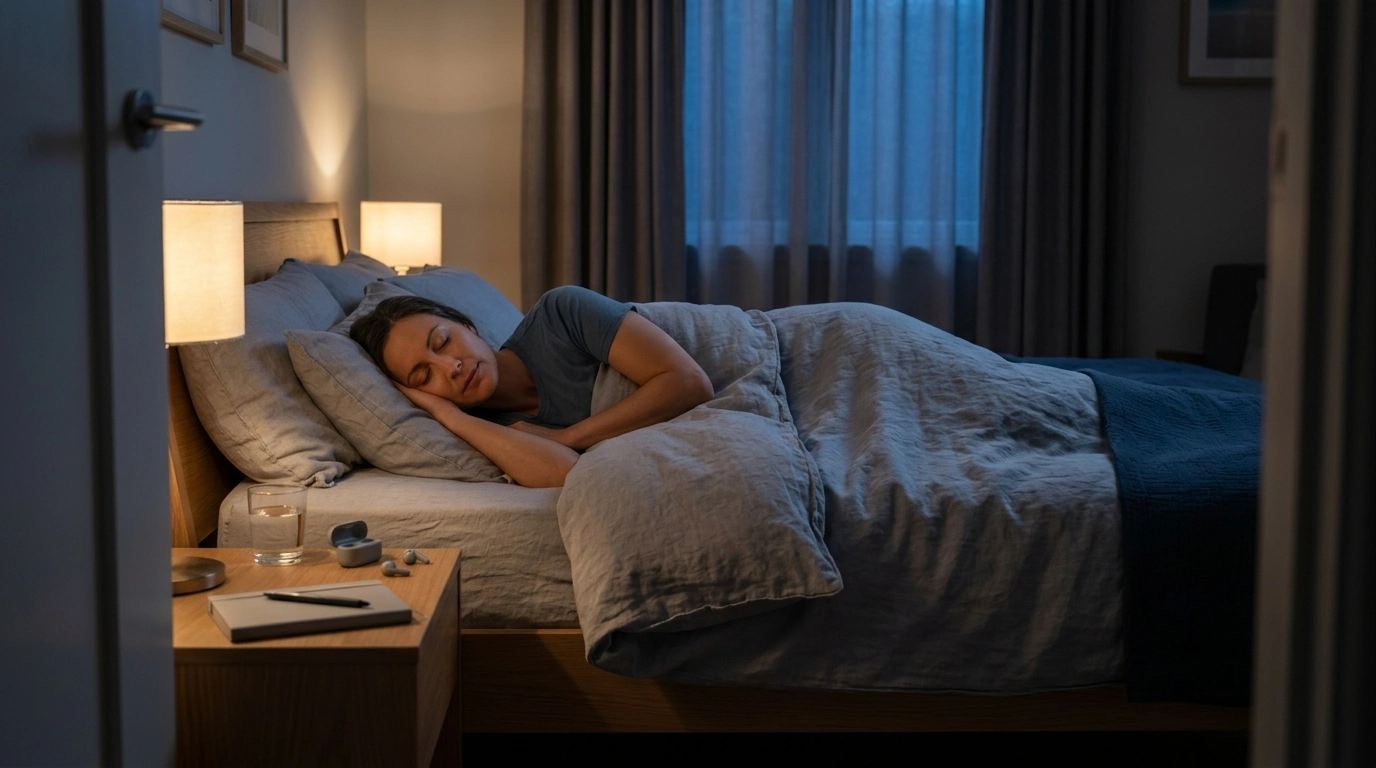
Sleep Reset: A 7-Day Guided Audio Course for Restful Nights
Restless nights often come from a busy mind, a keyed-up nervous system, and bedtime routines that don’t truly signal “safe to sleep.” Sleep Reset is a guided audio course built to help unwind the body and settle the mind through day-by-day sleep meditations, deep relaxation cues, and practical structure—so falling asleep and staying asleep becomes easier to practice consistently.
While sleep challenges can have many causes, a steady wind-down routine and calming skills can make a meaningful difference for many adults dealing with stress-related sleep disruption. For medical background on insomnia and when to seek help, these resources are useful starting points: American Academy of Sleep Medicine, NIH (NHLBI), and the CDC.
What Sleep Reset Is Designed to Help With
- Difficulty falling asleep due to racing thoughts, stress, or a restless body
- Night wakings that make it hard to return to sleep without spiraling into worry
- Tension patterns (jaw, shoulders, chest, stomach) that keep the nervous system activated
- Inconsistent routines that leave bedtime feeling unpredictable
- Building a repeatable wind-down habit that becomes easier each night
If bedtime has started to feel like a performance—“Will I sleep tonight?”—a guided approach can shift the focus toward a calmer, more repeatable process: dim down, settle the body, let thoughts pass, and give sleep a clearer runway.
How Guided Sleep Audio Supports Deep Relaxation
- Attention anchoring: a voice or structured prompts reduce mental “wandering loops” that fuel wakefulness
- Breath pacing: slow, steady breathing cues can help shift the body toward a calmer state
- Body scanning: systematic relaxation helps release unnoticed muscle holding that can keep the brain alert
- Cognitive defusion: naming thoughts as “just thoughts” can reduce nighttime catastrophizing
- Conditioning: repeating a consistent sequence can train the brain to associate the audio with bedtime calm
Instead of trying to force sleep, guided audio supports the conditions that make sleep more likely: lowered arousal, less checking and problem-solving, and a familiar rhythm that feels safe and predictable.
The 7-Day Reset Approach: What to Expect
- A short, structured daily commitment designed to feel doable even during stressful weeks
- Progressive settling: earlier days emphasize downshifting; later days reinforce confidence and consistency
- A focus on both mind and body: relaxation plus gentle reframing of insomnia worry
- A repeat-friendly format: any day can be revisited when sleep feels off-track
- Best results come from pairing the audio with a consistent lights-out window and a simple wind-down ritual
Example 7-Day Rhythm (adaptable to personal schedule)
| Day | Main focus | When to listen | Helpful companion habit |
|---|---|---|---|
| 1 | Settle the nervous system | At bedtime | Dim lights 30–60 minutes before sleep |
| 2 | Release physical tension | At bedtime | Gentle stretch or warm shower |
| 3 | Calm racing thoughts | At bedtime | Write a quick “tomorrow list” to park tasks |
| 4 | Rebuild sleep confidence | At bedtime | Keep clock out of reach to reduce checking |
| 5 | Soften night-waking anxiety | If waking at night | Use low-light, low-stimulation environment |
| 6 | Deepen relaxation response | At bedtime | Cool, dark room setup |
| 7 | Create a sustainable routine | At bedtime | Repeat the best-feeling day going forward |
Who This Course Fits Best (and When to Get Extra Help)
- A good fit for adults who want a gentle, structured bedtime practice using guided meditation and relaxation
- Helpful for stress-related sleep disruption, occasional insomnia patterns, and difficulty winding down
- May be less suitable as a stand-alone solution for severe insomnia lasting months, untreated sleep apnea, or significant restless legs symptoms
- Seek professional support if insomnia is persistent and impairing, or if there are signs of breathing interruptions, chest pain, or severe mood changes
- If already using a clinician-guided plan (including CBT-I), guided audio can be a complementary wind-down tool
If snoring is loud, breathing seems to pause during sleep, or daytime sleepiness is severe, it’s worth talking with a clinician. Guided relaxation can be supportive, but it shouldn’t delay evaluation of potential sleep disorders.
How to Use Sleep Reset for the Best Night-to-Night Results
What Makes Sleep Reset a Practical Digital Sleep Tool
To get started with the program, visit Sleep Reset: Guided Audio Course for Restful Nights – 7-Day Sleep Meditation, Deep Relaxation, Insomnia Relief.
Simple Add-Ons That Pair Well With a Sleep Reset Week
If pre-trip checklists and “did I forget something?” thoughts tend to show up at 11 p.m., a simple planning system can help close open mental loops earlier in the day. Consider pairing your reset week with the Minimalist Travel Packing Planner | Digital Packing Guide for Light, Smart & Stress-Free Trips.
If evening noise and last-minute activity are part of what makes winding down difficult, building a calmer household rhythm can help the whole home sleep better. The Stronger Together: Family Bonding Pack | Digital Family Activities Guide for Kids & Parents can support earlier connection time—so bedtime doesn’t become the only quiet moment of the day.
FAQ
How long should the course be used before expecting better sleep?
Many people notice small improvements within the first week, but the most consistent benefits often build over 2–4 weeks by repeating sessions and keeping a steady bedtime routine.
Can the audio be used if waking up in the middle of the night?
Yes. Choose a calming session or a favorite day’s track at low volume, keep lights dim, and avoid checking the time so your mind doesn’t shift into alert, problem-solving mode.
Is this a replacement for medical treatment for insomnia?
No. It can support relaxation and routine-building, but persistent or severe insomnia, suspected sleep apnea, or significant health concerns should be evaluated by a clinician; guided audio can also be used alongside professional care.











Leave a comment